GCSI Scoring System for Patient-Reported Outcomes The GCSI is a patient-based symptom instrument in which the score is a sum of three subscale scores (each ranging from 1 to 3) for the three main symptom complexes: 1
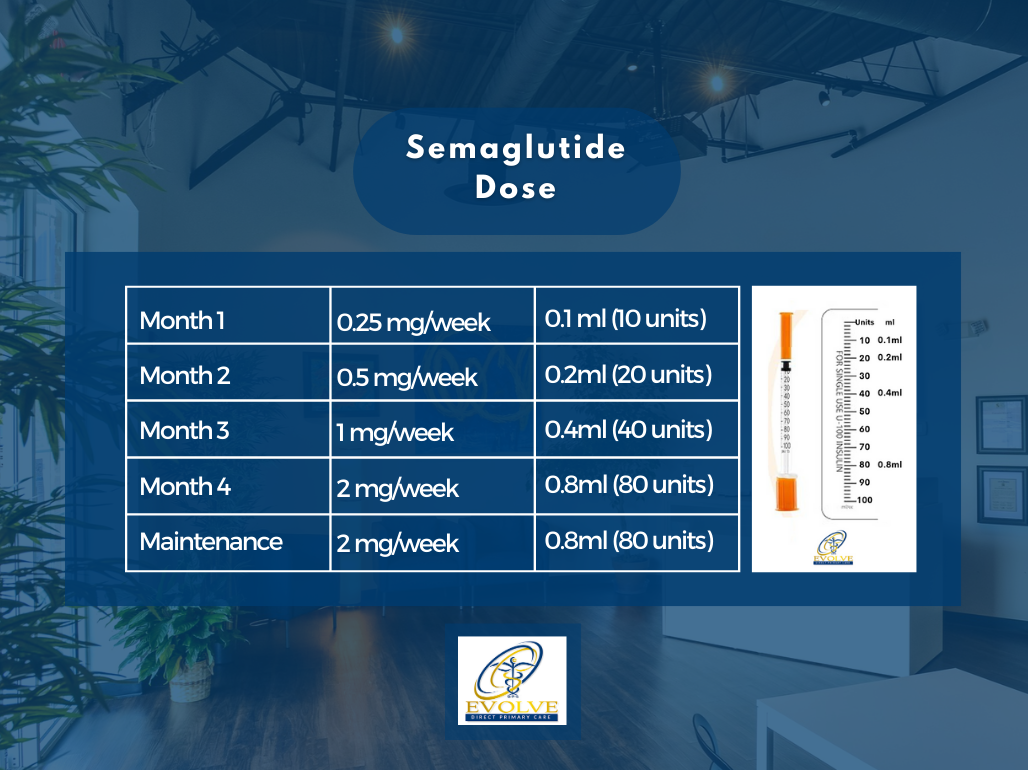
Our calculators estimate medication volume in mL, U-100 syringe units, reconstitution concentration, vial supply, and complete doses per vial
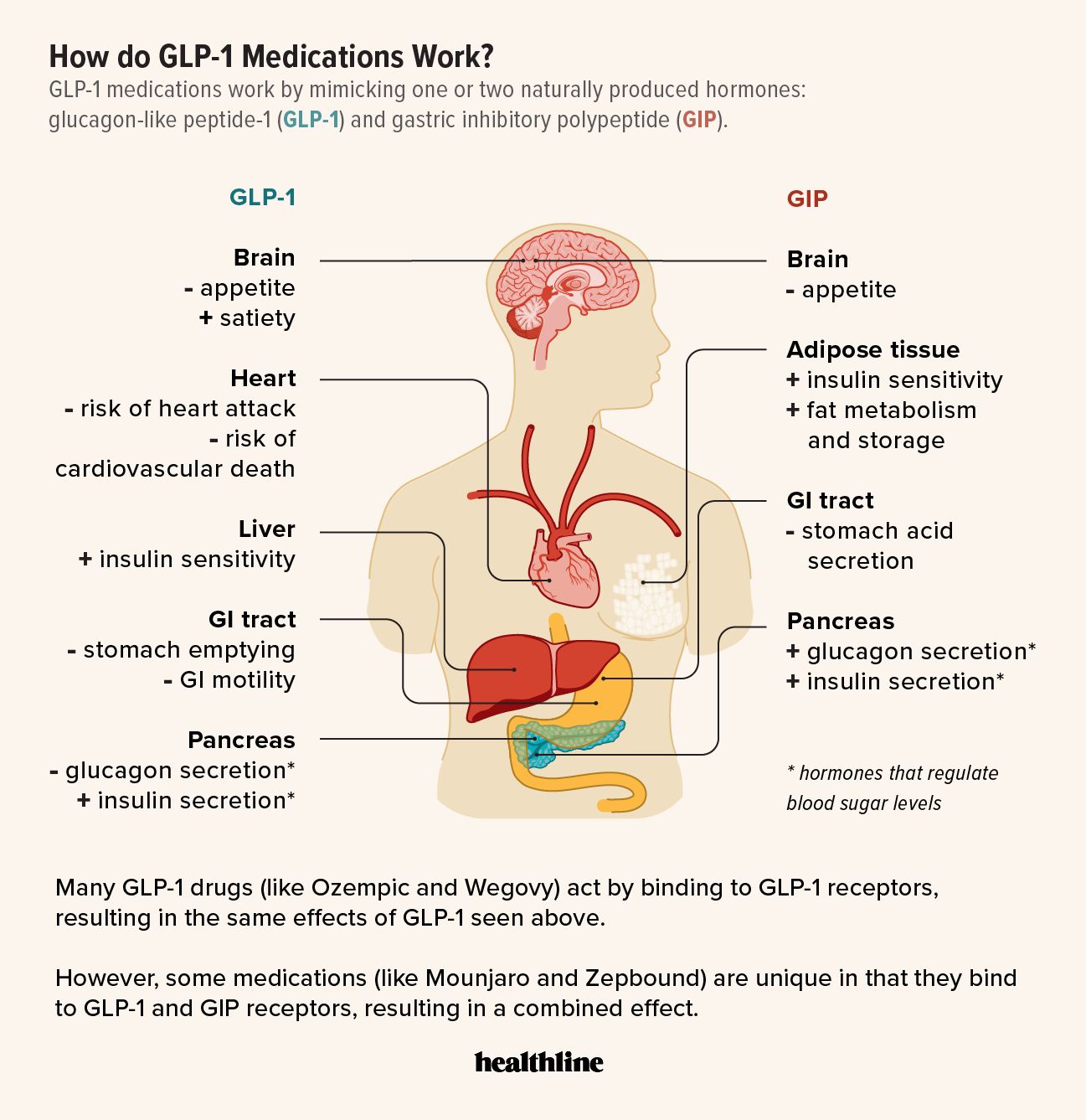
What should I expect when starting on a GLP-1
This allows you to concentrate purely on achieving your health milestones without worrying about paperwork

this off-label use is not backed by the same level of controlled human trial evidence as the lipodystrophy indication Known risks and side effects: Injection site reactions, including erythema, pruritus, pain, and bruising at the injection site Arthralgia (joint pain) and peripheral edema (fluid retention), recognized class effects of GH-axis stimulation Increases in blood glucose and reduced insulin sensitivity, with clinical trials showing a higher rate of elevated HbA1c and new-onset hyperglycemia versus placebo Formation of anti-tesamorelin antibodies, reported in a substantial proportion of treated patients, with unclear long-term clinical significance Contraindicated in people with active malignancy, pituitary or hypothalamic disruption, or pregnancy, per FDA labeling Evidence snapshot: The strongest evidence is a set of Phase 3 human randomized controlled trials that supported FDA approval of tesamorelin for reducing visceral abdominal fat in HIV-associated lipodystrophy (approved 2010), plus a separate placebo-controlled human RCT (Baker et al., 2012, Archives of Neurology) showing improved executive function in older adults
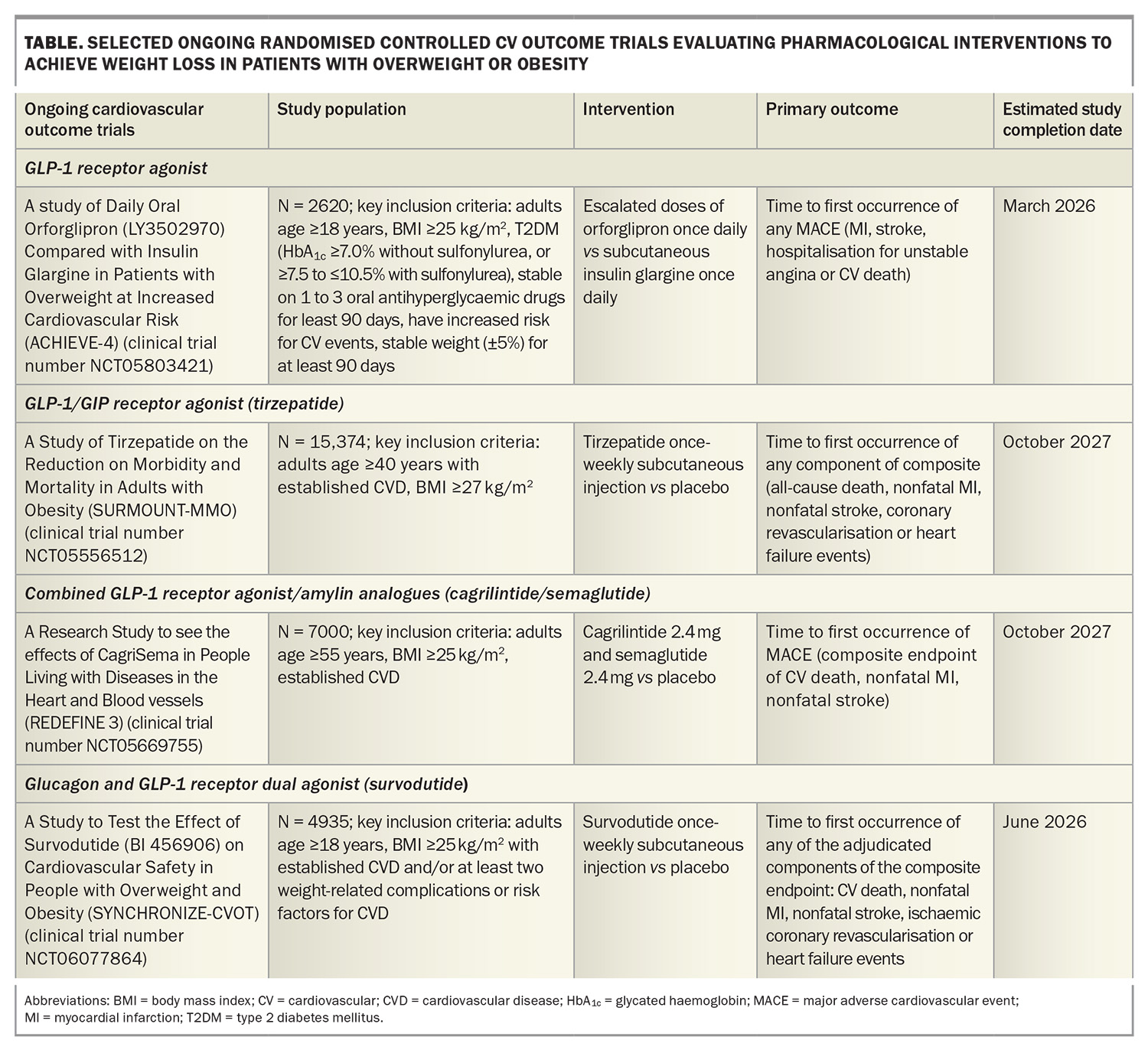
Manufacturing Capacity and Supply Chain Investment: In a bid to avoid previous shortages of injectable GLP-1s, Eli Lilly has amassed a $1.5 billion pre-launch inventory of its oral weight loss drug orforglipron ahead of FDA decision expected in April 2026 [4]