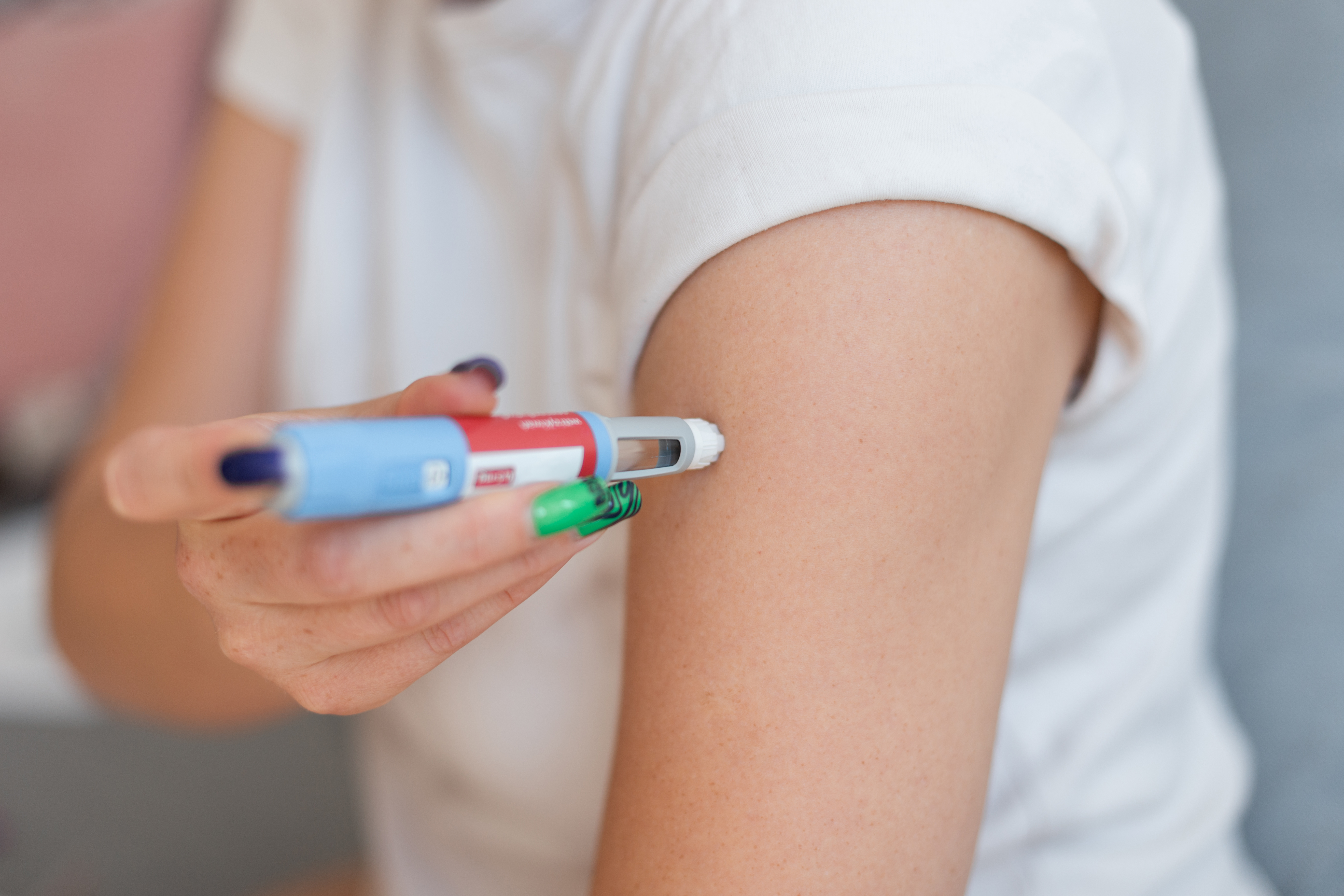
In general, the scientific evidence suggests that while semaglutide does not directly cause frequent urination, it may indirectly contribute to changes in urination frequency through its effects on blood sugar, hydration needs, and weight
Plan your meals Log your workouts Track your progress Evaluate your goals (*) Access to the EZDietPlanner & Fitness Tracker app
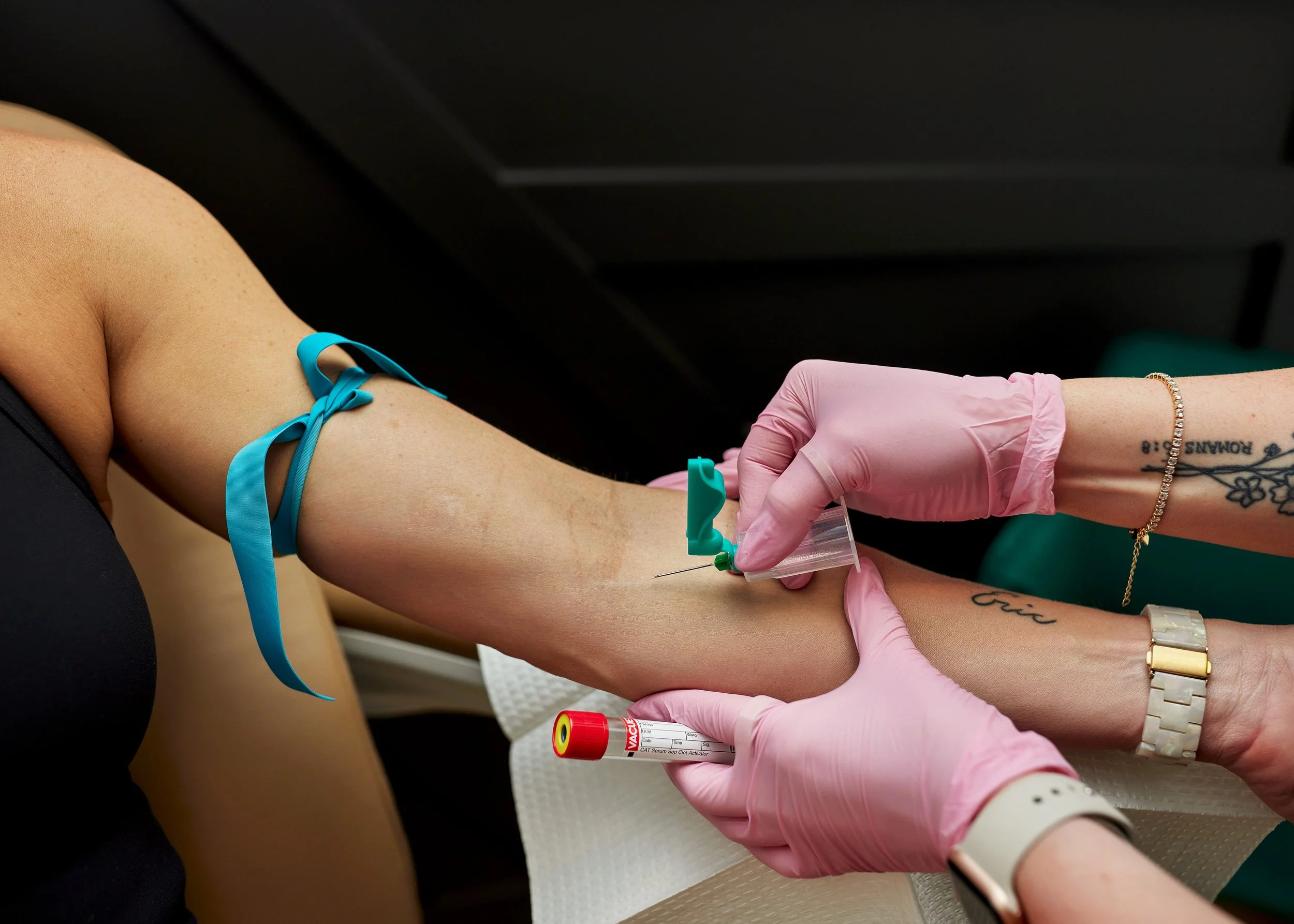
Pre-Donation Checklist for Semaglutide Users Before scheduling a blood donation, ensure you meet these key criteria: stable semaglutide dose for at least several weeks, normal blood pressure readings at home or clinic visits, hemoglobin levels above the donor threshold (typically 12.5 g/dL for women, 13.5 g/dL for men), and no signs of dehydration or acute illness
Prompt evaluation ensures that serious underlying conditions, including colorectal malignancy, inflammatory bowel disease, or significant gastrointestinal bleeding, are not missed
Diarrhea is one of the most frequently reported side effects of semaglutide, a GLP-1 receptor agonist used to treat type 2 diabetes and support chronic weight management
Moreover, semaglutide has demonstrated more pronounced kidney benefits in individuals with diabetic nephropathy, including substantial reductions in albuminuria and a slower decline in eGFR