Physiological reports, 7(13), e14171
Gastric mucosal healing involves direct stimulation of angiogenesis via VEGF upregulation, rebuilding the submucosal capillary network that underlies epithelial integrity
New opportunities in Page 53 and 54: FC02 Transmembrane Transport: Persp Page 55 and 56: FC04 Pharmacoepidemiology, current Page 57 and 58: R&D at a glance engineering protein Page 59 and 60: FC07 Simulation and data modelling Page 61 and 62: FC09 Inflammation and immunopharmac Page 63 and 64: FC01 Clinical Plenary pharmacology Page 65 and 66: FC02 Transmembrane transport: Persp Page 67 and 68: FC04 Pharmacoepidemiology, current Page 69 and 70: FC06 The heart gone wrong: Stabiliz Page 71 and 72: FC08 Development in the treatment o Page 73 and 74: W04 Symposium: Antioxidants as ther Page 75 and 76: W13 Workshop
In laboratories where materials may be accessed multiple times over ongoing experiments, this antimicrobial property helps reduce variables related to contamination risk, supporting data reliability and experimental accuracy
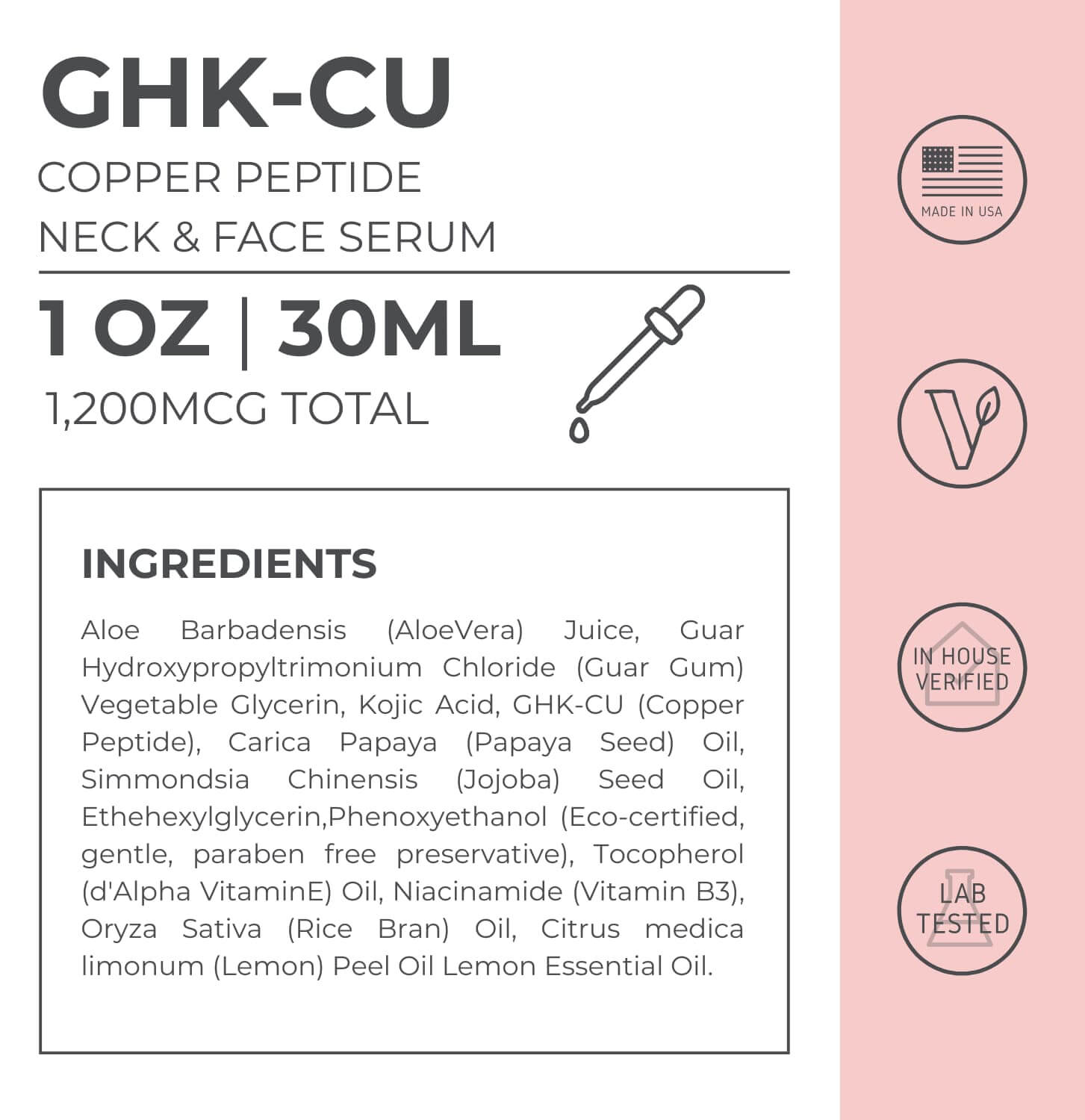
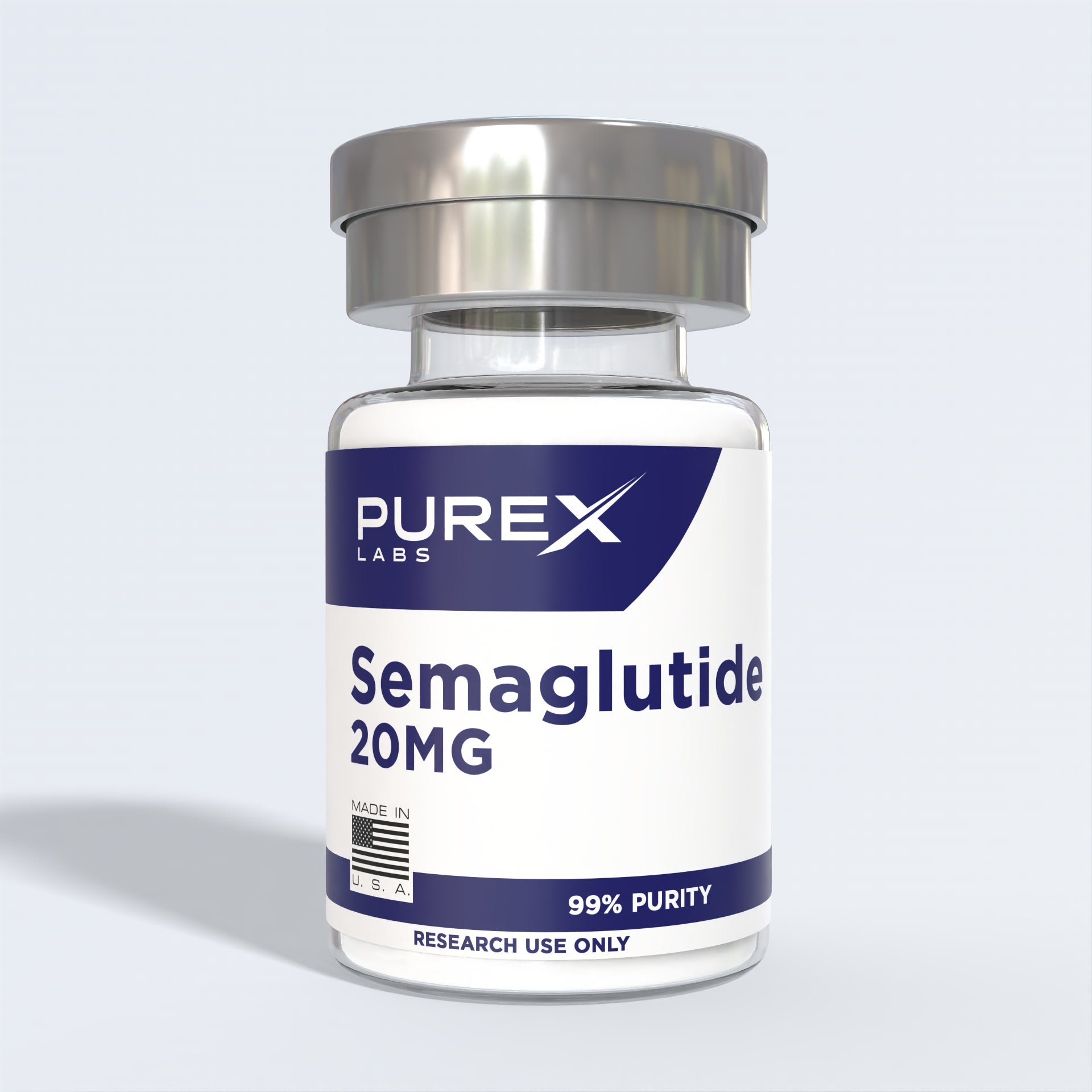
It's often unclear whether such peptides are being produced in the U.S

When initiated within 48-72 hours of injury, patients typically experience: Reduced intramuscular hematoma formation Faster return of range of motion Lower risk of re-injury upon return to sport Post-Surgical Recovery For patients undergoing orthopedic proceduresrotator cuff repair, ACL reconstruction, Achilles tendon repair, joint arthroplastyBPC-157 can be integrated into the post-operative protocol to: Enhance tendon-to-bone healing at surgical anchors Reduce post-operative pain and swelling Minimize scar tissue formation that limits long-term range of motion Arthritis and Joint Pain While BPC-157 does not regenerate cartilage that has been completely lost, it provides significant benefit for osteoarthritis and inflammatory arthritis by: Reducing synovial inflammation Modulating pain signaling in the joint capsule Supporting the health of remaining cartilage and subchondral bone The PRP and Stem Cell Synergy One of the most powerful applications of BPC-157 is as an adjunct to Platelet Rich Plasma (PRP) and stem cell therapies